
List
Count the larger pieces and describe bags, boxes, and loose material.
Clear the items left after packing while respecting halls, elevators, stairs, and loading access. Call with the item list, access notes, and your target date so the operator can discuss the job accurately.

Acceptance depends on the exact material and site conditions. Identify chemicals, liquids, fuel, construction waste, or other specialty material before scheduling.
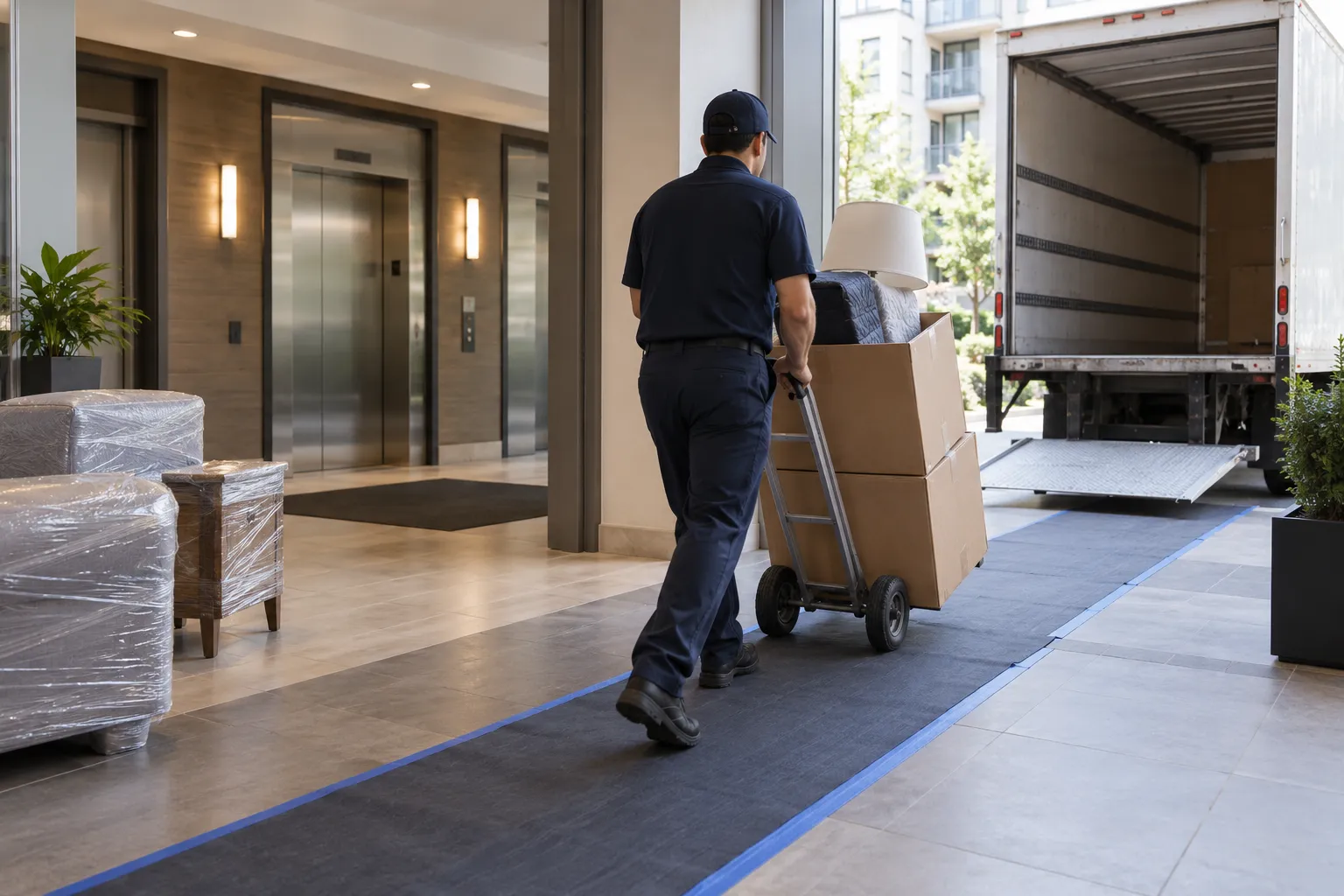
Count the larger pieces and describe bags, boxes, and loose material.
Check tight doors, stair turns, elevators, gates, and any long carry.
Move keys, records, valuables, and keep-items away from the removal group.
A clear description protects the schedule. Include the property type, approximate load, largest items, floor level, stairs or elevator, parking, and the date the space must be ready.
Prepare your item listKeep documents, medication, keys, chargers, cleaning supplies, closing or lease paperwork, and anything traveling with you in a clearly protected area.
The service is designed around residential move-outs. The estimate depends on the items, volume, access, and scheduling details.
Volume, item type, stairs or elevator use, carrying distance, disassembly, parking, and any unusual handling needs can affect the estimate.
Do not move heavy items without confirming the plan. Describe where the items are and the access route when you call.
No destination should be promised without a confirmed receiving option. Ask what can be accepted and how items are handled for your job.
Start with the lease, the building rules, and a room-by-room list. That keeps the cleanout from colliding with movers, elevator reservations, or the final inspection.
Read the guideTell us what is staying behind, where it is, and how the crew can reach it.